

Pelican Marsh Landscape Services
Sign up now for autumn service and enjoy a vibrant, worry-free landscape all season long.
Get a Free QuoteLandscape Services Tailored for Pelican Marsh, Florida
Expert Lawn Care for Pelican Marsh’s Unique Environment
Pelican Marsh’s lush neighborhoods, such as Watercrest and Timarron, are defined by mature trees, winding lakes, and proximity to the Gulf. The local climate brings humid summers with intense sun and occasional drought, while shaded lots from established oaks and palms can create patchy turf and moss challenges. Salt exposure from coastal breezes and seasonal storms can stress lawns, especially near the community’s scenic waterways and golf courses. Our services are designed to address these specific needs, from managing soil erosion on sloped lots to selecting turf varieties that thrive in both sun and shade. For more information about the community and its natural features, visit the official Pelican Marsh website.
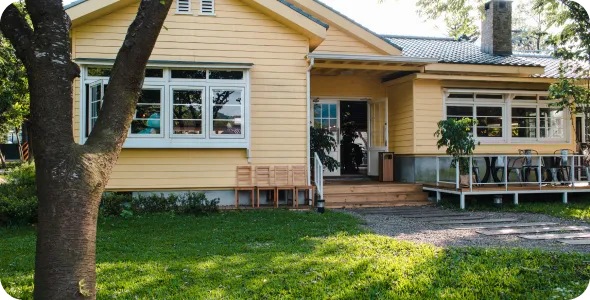
Our Pelican Marsh Landscaping & Yard Care Services
Pelican Marsh Gardening Services
Pelican Marsh Yard Clean Up
Why Choose Pelican Marsh Landscape Services

Pelican Marsh Homeowners Trust Us
-
Expert Lawn Maintenance
-
Reliable Irrigation Solutions
-
Comprehensive Tree Care
-
Prompt Response Times
-
Competitive Pricing
-
Personalized Service Plans
Contact Your Local Pelican Marsh Public Works or Solid Waste Department for Green Waste Info
Pelican Marsh is a master-planned residential community in unincorporated Collier County, situated within the Gulf Coast / Southwest Florida region. Green waste disposal here is managed through Collier County's solid waste programs. Yard waste—including grass clippings, palm fronds, tree trimmings, and brush—must be bundled in lengths no longer than four feet and placed curbside according to the community's scheduled collection days. Plastic bags are prohibited for vegetative debris. Residents may also transport green waste to the Collier County Landfill and Recycling Center at 800 North Collier Boulevard during posted operating hours with proof of residency. After tropical storms or hurricanes, Collier County activates special vegetative debris collection routes. Commercial landscapers must use approved disposal facilities and may not dump clippings, fertilizer granules, or sediment into streets, swales, retention ponds, canals, or stormwater infrastructure, as prohibited under the Clean Water Act and local MS4 stormwater rules. Free mulch from county chipping programs may be available seasonally.
Collier County Solid Waste Management Department
3339 Tamiami Trail East, Suite 302, Naples, FL 34112
Phone: (239) 252-2508
Official Website: Collier County Solid Waste Management
Lawn Care Regulations & Permits in Pelican Marsh, FL
Collier County enforces a rainy-season fertilizer blackout from June 1 through September 30, prohibiting nitrogen and phosphorus application on urban turf during peak runoff months. Fertilizers applied outside the blackout must contain at least 50% slow-release nitrogen, and a minimum 10-foot setback from all water bodies is required. These rules align with Florida Statutes 403.9337 and the Urban Turf Fertilizer Rule for Home Lawn Fertilization. Commercial fertilizer applicators must hold certification under Florida Statutes 482.1562. Pesticide use is governed by Florida Pesticide Law - Chapter 487, and commercial applicators must be licensed through the Florida Department of Agriculture and Consumer Services - Pesticide Applicator Certification and Licensing. Irrigation follows the South Florida Water Management District two-day-per-week schedule, with watering prohibited between 10 a.m. and 4 p.m. Rain sensor shutoff devices are required on all automatic irrigation systems. Collier County noise ordinances restrict power equipment operation before 7 a.m. and after 10 p.m. in residential areas. Commercial operators must maintain a Collier County business tax receipt and carry liability insurance.
Florida Department of Agriculture and Consumer Services
The Capitol, Tallahassee, FL 32399
Phone: (850) 410-3800
Official Website: Florida Department of Agriculture and Consumer Services
South Florida Water Management District
3301 Gun Club Road, West Palm Beach, FL 33406
Phone: (561) 686-8800
Official Website: South Florida Water Management District
What Neighborhoods Do We Serve in Pelican Marsh, FL?
Pelican Marsh encompasses several distinct enclaves, each presenting unique lawn care considerations shaped by Southwest Florida's shell-influenced sandy soils, high water tables, and coastal humidity.
- Osprey Pointe — Lakefront homesites with sandy fill soils and elevated water tables. St. Augustinegrass dominates, requiring careful irrigation calibration to avoid overwatering near retention ponds. Fertilizer setbacks from lake edges apply.
- Timarron — Estate-sized lots with mature live oak canopy creating significant shade. Shade-tolerant St. Augustinegrass cultivars such as CitraBlue or Palmetto perform best. Large patch fungal pressure increases under dense canopy.
- Clermont — Single-family homes on typical Collier County flatwoods soils with rapid drainage and nutrient leaching. Zoysiagrass appears in premium settings, while St. Augustinegrass remains the standard. HOA standards require consistent turf density.
- Portofino — Attached villa residences with smaller lots and shared landscape buffers adjacent to stormwater swales. Mowing height management and proper clipping disposal are critical near drainage infrastructure.
- Arielle — Coach homes surrounded by preserve areas and wetland buffers. Fertilizer and pesticide applications near conservation boundaries require strict adherence to setback rules and Florida-Friendly principles.
- Pebble Cove — Waterfront properties along interconnected lake systems. Seashore paspalum or salt-tolerant St. Augustinegrass cultivars may be appropriate where brackish influence exists. Runoff prevention is paramount.
- Grand Isle — Larger estate homes with expansive turf areas on imported fill soils. Soil pH tends toward alkaline due to shell content, potentially causing iron chlorosis and micronutrient lockout requiring targeted amendments.
Partnering With Pelican Marsh's Stormwater, Environmental, or Sustainability Office
Collier County's Stormwater Management Section oversees drainage infrastructure, retention pond maintenance, and water quality protection throughout Pelican Marsh. Lawn care practices must align with the county's NPDES Stormwater Program permit and MS4 compliance requirements. Sustainable landscaping practices that protect Pelican Marsh's interconnected lake and wetland systems include:
- Following Florida-Friendly Landscaping™ Program principles for right-plant, right-place selection
- Grasscycling to return nutrients to the soil and reduce green waste volume
- Using micro-irrigation in landscape beds to minimize overspray and runoff
- Maintaining functional rain sensor shutoff devices on all irrigation systems
- Applying fertilizer only outside the June–September blackout and never before forecast heavy rainfall
- Planting native and adapted species in buffer zones adjacent to ponds and preserves
Collier County Stormwater Management Section
2885 South Horseshoe Drive, Naples, FL 34104
Phone: (239) 252-2502
Official Website: Collier County Stormwater Management
Florida Department of Environmental Protection
2600 Blair Stone Road, Tallahassee, FL 32399
Phone: (850) 245-2118
Official Website: Florida Department of Environmental Protection
Top Pelican Marsh Lawn Problems (and How We Solve Them)
Southwest Florida's coastal humidity, shell-influenced soils, and intense summer rainfall create a distinct pest and disease profile in Pelican Marsh. The most common issues include:
- Chinch bugs in St. Augustinegrass — Southern chinch bugs thrive in hot, dry turf edges along driveways and sidewalks. Proper irrigation, avoiding drought stress, and monitoring per UF/IFAS Extension - Lawn Maintenance guidelines reduce outbreaks. Licensed applicators treat confirmed infestations under FDACS Licensing and Certification.
- Large patch fungus — This cool-season disease appears October through May in overwatered or over-fertilized turf. Reducing irrigation frequency and avoiding nitrogen application during vulnerable months are primary controls.
- Take-all root rot — Stressed St. Augustinegrass on alkaline shell soils is particularly susceptible. Improving soil biology through compost topdressing and maintaining proper mowing height (3.5–4 inches) supports recovery.
- Nutrient lockout in alkaline soils — Shell-influenced fill soils with elevated pH can bind iron and manganese, causing yellowing. Foliar micronutrient applications and soil amendments address deficiencies.
- Standing water and dollarweed — Flat topography and high water tables promote saturated conditions. Improving drainage, reducing irrigation, and following Best Management Practices for Your Lawn help manage weed encroachment.
- Mole crickets — These subsurface pests damage turf roots in sandy soils. Soapy-water flushes confirm activity, and beneficial nematode applications offer a biological control option.
- Tropical storm and hurricane damage — Wind-thrown debris, salt deposition, and flooding stress turf. Post-storm irrigation flushes salt from the root zone, and damaged areas are overseeded or re-sodded following debris removal.
What Makes Lawns in Pelican Marsh Different From the Rest of Florida?
Pelican Marsh sits in USDA Hardiness Zone 10a within the Gulf Coast / Southwest Florida region, giving it characteristics distinct from both South Florida's tropical zone and Central or North Florida's cooler climates:
- Shell-influenced alkaline soils — Unlike the deep acidic sands of Central Florida or the marl of the southeastern coast, Pelican Marsh's fill soils often contain shell fragments that raise pH and affect nutrient availability
- Coastal humidity without direct oceanfront exposure — Located inland from the Gulf of Mexico but close enough for persistent humidity, salt-laden storm winds, and tropical moisture patterns
- Year-round growing season with brief cool-season slowdown — St. Augustinegrass remains the dominant turf, with zoysiagrass in premium landscapes; bahiagrass and centipedegrass common in North Florida are rarely appropriate here
- Intense summer rainy season (June–October) — Collier County's fertilizer blackout directly addresses the nutrient runoff risk during this period
- High water table and interconnected lake/wetland systems — Stormwater management is integral to community design, making fertilizer setbacks and runoff prevention more critical than in upland inland communities
- Master-planned community with HOA oversight — Landscape standards exceed typical municipal minimums, requiring consistent turf quality and coordinated maintenance schedules
Supporting Local Events in Pelican Marsh With Lawn Expertise
Pelican Marsh and the greater Naples area host community activities that benefit from professional turf and landscape management:
- Pelican Marsh Community Center events and seasonal gatherings
- Collier County Parks and Recreation athletic field preparation and maintenance support
- Naples-area school campus landscape coordination with the Collier County School District
- Neighborhood HOA common-area beautification for seasonal resident arrivals
- Community cleanup and volunteer planting events in preserve buffer zones
- Post-hurricane and tropical storm vegetative debris response and turf recovery
- Coordination with Collier County Master Gardener Volunteer programs through UF/IFAS Extension
Collier County Parks and Recreation Division
15000 Livingston Road, Naples, FL 34109
Phone: (239) 252-4000
Official Website: Collier County Parks and Recreation
UF/IFAS Collier County Extension
14700 Immokalee Road, Naples, FL 34120
Phone: (239) 252-4800
Official Website: UF/IFAS Collier County Extension
Eco-Friendly Landscaping Backed by Pelican Marsh's Florida-Friendly and Water-Saving Initiatives
Aligning with Collier County's water conservation and stormwater quality goals, environmentally responsible lawn care in Pelican Marsh incorporates:
- Smart irrigation controllers that adjust watering based on weather data and soil moisture
- Rain sensor shutoff compliance per South Florida Water Management District requirements
- Micro-irrigation for ornamental beds to eliminate overspray onto impervious surfaces
- Turf reduction in low-traffic areas replaced with native groundcovers and drought-adapted plantings per Florida-Friendly Landscaping™ and UF/IFAS Gardening Solutions - Lawns
- Compost topdressing to improve soil biology in shell-influenced fill soils
- Integrated pest management prioritizing cultural controls and biological agents before chemical intervention
- Lower-phosphorus fertilizer programs where soil tests confirm adequate phosphorus levels
- Pollinator-friendly plantings in landscape beds using native wildflowers and shrubs
- Battery-powered mowers, trimmers, and blowers to reduce emissions and noise
- Grasscycling and local mulch reuse to minimize waste hauling and return organic matter to the landscape
- Route optimization to reduce fuel consumption and vehicle idling within the community
National Weather Service - Miami Office
11691 SW 17th Street, Miami, FL 33165
Phone: (305) 229-4522
Official Website: National Weather Service Miami
U.S. Environmental Protection Agency, Region 4
61 Forsyth Street SW, Atlanta, GA 30303
Phone: (404) 562-9900
Official Website: EPA Region 4
Proudly Serving These Streets and Areas in Pelican Marsh
Pelican Marsh is accessed primarily via Pelican Marsh Boulevard from US-41 (Tamiami Trail North) and is bounded by major Collier County corridors. Service coverage includes:
Residential Enclaves:
- Osprey Pointe
- Timarron
- Clermont
- Portofino
- Arielle
- Pebble Cove
- Grand Isle
- Seville
- Stratford Place
- Egret's Walk
- Ventura
- Island Cove
- Terrabella
- Marbella at Pelican Marsh
- Watercrest
Major Roads and Access Points:
- Pelican Marsh Boulevard
- US-41 / Tamiami Trail North
- Vanderbilt Beach Road
- Goodlette-Frank Road
- Livingston Road
Notable Landmarks and Features:
- Pelican Marsh Community Center and fitness facilities
- Pelican Marsh Golf Club
- Interconnected lake and wetland preserve system
- Nature trail and boardwalk network
- Adjacent Mercato shopping district
- Nearby Vanderbilt Beach access
- Collier County public schools including Pelican Marsh Elementary
- Preserve and conservation buffer zones throughout the community
All service areas within Pelican Marsh are subject to HOA landscape standards, Collier County fertilizer ordinances, South Florida Water Management District irrigation schedules, and stormwater setback requirements protecting the community's lake and wetland systems.